Understanding Schedule 80 Steel Pipe Dimensions for Industrial Projects
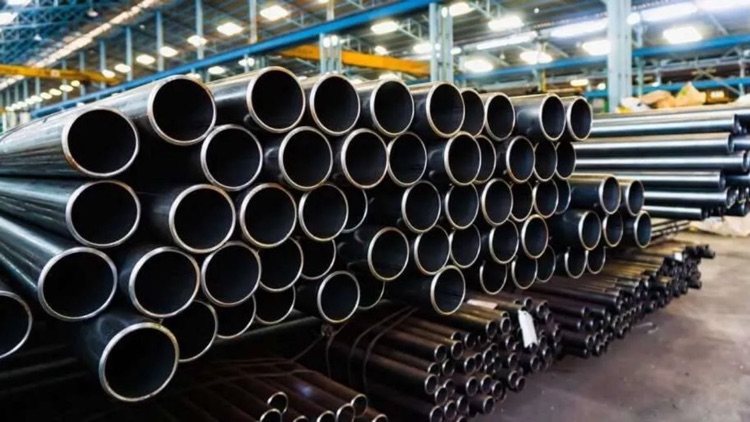
The schedule 80 steel pipe dimensions are commonly used in industrial projects where strength and pressure resistance are factors. These pipes have thicker walls in contrast to lower schedules and hence, are capable of withstanding the higher stress conditions. When safety and longevity are a consideration, engineers and buyers tend to choose Schedule 80 pipes. Knowing the sizes assists in selecting the appropriate pipe to be used in various applications like oil, gas, water systems, and also in the transportation of chemicals.
What Schedule 80 Actually Means
The thickness of the pipe wall is known as Schedule 80. All pipes with the same nominal pipe size (NPS) have the same outside diameter, but Schedule 80 pipes have a thicker wall than Schedule 40 pipes. This implies that the interior diameter reduces in Schedule 80 pipes. The reinforced wall enhances the capacity of the pipe to resist pressure and mechanical stress and hence is suitable for harsh industrial applications.
This thicker wall provides several advantages:
- Higher pressure resistance
- Better mechanical strength
- Improved durability
- Greater suitability for demanding industrial environments
Wall Thickness and Its Importance
The most significant aspect of Schedule 80 steel pipe dimensions is wall thickness. The fatter the wall, the greater the internal pressure that the pipe will withstand. This is the reason why high-pressure systems are usually equipped with Schedule 80 pipes. But thicker walls add weight and price, as well. This may have a considerable impact on the overall budget in a large project, particularly when long-distance transport or large lifting gear are necessary.
For large industrial projects, thicker pipes can:
- Increase transportation costs
- Require stronger support structures
- Need larger lifting equipment
- Affect the overall project budget
Weight and Handling Considerations
The weight is higher in schedule 80 steel pipes because their walls are thicker. This added weight has effects on the cost of handling, installation, and transportation.
This additional weight influences several aspects of an industrial project, including:
- Handling
- Installation
- Transportation
- Storage
When dealing with large-scale industrial projects, heavier pipes will need more robust support systems and more efficient lifting systems. In shipping, the weight limits can be achieved even before the containers are filled. This is a key aspect of export and massive construction planning.
Pressure Rating and Industrial Use
The primary benefit of Schedule 80 steel pipe sizes is that they have a higher pressure rating. The pipes are made to operate safely in high pressure systems, including steam lines, chemical plants, oil refineries, and fire protection systems. The thick wall offers resistance to bursting and external damage.
Common high-pressure applications include:
- Steam lines
- Chemical plants
- Oil refineries
- Fire protection systems
This is why Schedule 80 is a popular option in demanding industrial applications where safety is a key factor.
Common Materials and Manufacturing Types
Schedule 80 steel pipes are manufactured using different production methods. The most common being Seamless and ERW (Electric Resistance Welded) pipes.
Although both manufacturing types follow the same dimensional standards, their performance characteristics vary depending on the application.
Standards Used for Schedule 80 Pipes
Schedule 80 steel pipes are specified in several international standards, which define the dimensions and quality standards.
Some commonly used standards include:
Such standards guarantee consistency in size and the quality of materials used, making sure that pipes can be safely utilized in various fields worldwide.
Industrial Applications of Schedule 80 Pipes
Schedule 80 steel pipes are common in industries where strength and durability are needed.
Common applications include:
- Oil and gas pipelines
- Chemical processing plants
- Power generation systems
- Fire sprinkler systems
- Structural steel applications
- Industrial water systems
They are also capable of supporting high pressure and extreme environments, thus they can be used in industries over time.
Conclusion
The knowledge of Schedule 80 steel pipe dimensions is critical in the choice of the appropriate piping system in industrial projects. Wall thickness, inside diameter, weight, and pressure rating are some of the factors that have significant impacts on performance and cost. Although Schedule 80 pipes have greater strength and safety. They are also weighty and have a lower flow capacity; therefore, they have to be planned carefully. This is achieved by proper selection, which guarantees efficiency, safety, and long-term dependability in harsh industrial use.