OCTG Pipe: What Buyers Should Check Before Sourcing Casing, Tubing, or Drill Pipe

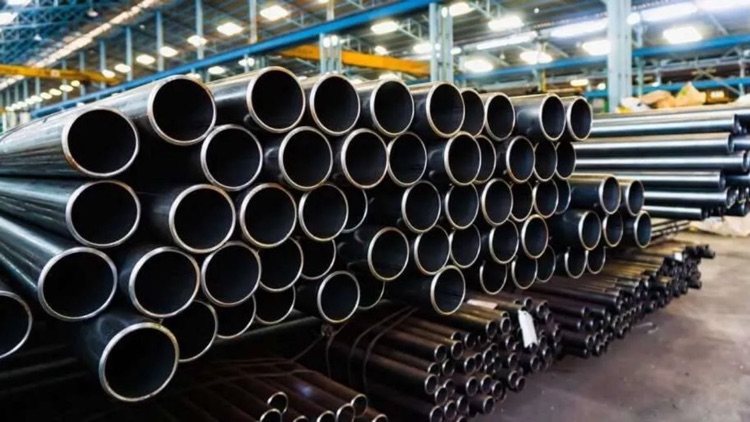
OCTG pipe refers to oil country tubular goods used in oil and gas well operations. The category commonly includes casing, tubing, and drill pipe. These products work in demanding well environments, so buyers need more than a generic pipe description.
A proper OCTG RFQ should define product type, standard, grade, size, weight, connection, length range, threading, inspection, and documents. If those details are missing, suppliers may quote material that does not match the well program.
For a focused overview, see this octg pipe guide.
Casing, Tubing, and Drill Pipe
Casing supports the wellbore and helps isolate formations. Tubing provides a production path for fluids. Drill pipe transmits rotation and drilling fluid during drilling operations.
These products are not interchangeable. Each has its own service role, connection requirements, inspection expectations, and purchasing language.
Standard and Grade
OCTG buyers often work with API or project-specific requirements. Grade selection should follow well design and service conditions. Sour service, high pressure, depth, temperature, and corrosion risk can all affect material choice.
If a supplier proposes a different grade, treat it as an alternate and ask for technical approval.
Size, Weight, and Length Range
OCTG is often specified by outside diameter, nominal weight, wall thickness, and length range. Buyers should use the exact project language and avoid simplifying the order to diameter only.
Weight and wall thickness affect collapse, burst, tension, drift, and connection performance. A cheaper quote may simply reflect a different design basis.
Connections and Threading
Connections are critical in OCTG supply. Buyers should state thread type, coupling requirement, premium connection if required, thread protectors, dope requirements, and inspection.
Thread damage can make otherwise correct pipe unusable. Packing and handling should protect ends during transport and storage.
OCTG vs Line Pipe
Line pipe transports fluids through pipelines. OCTG works inside wells. The standards, grades, connections, testing, and service assumptions are different.
Do not accept line pipe as a replacement for OCTG unless the project engineer explicitly approves the substitution.
Inspection and Documents
OCTG orders may require MTCs, heat traceability, drift test records, threading inspection, dimensional checks, hydrostatic testing, NDE, and third-party inspection. Define the document package before order placement.
If inspection is required before shipment, set the hold point early.
RFQ Checklist
Include product type, API or project standard, grade, OD, weight, wall, length range, connection, coupling, drift, coating, inspection, MTC, traceability, thread protectors, packing, and delivery terms.
Common Quote Problems
OCTG quotes can look similar while hiding important differences. One supplier may quote plain-end pipe, another may include threaded and coupled material, and a third may quote a different connection or length range.
Another common issue is missing drift or inspection language. For casing and tubing, drift and threading checks can affect whether material is usable at the rig. If those requirements are expected, include them in the RFQ.
Stock availability should also be separated from technical compliance. A supplier may have material ready to ship, but it still needs to match the grade, connection, document package, and well requirement.
Receiving and Handling
At receiving, check pipe markings, heat numbers, grade, size, weight, length range, connection, coupling, and thread protectors. Review MTCs and inspection documents before releasing material to the field.
Threads should be protected during storage and transport. Damaged threads can make OCTG unusable even when the pipe body is correct.
Supplier Questions
Before placing an order, ask the supplier to confirm product type, grade, connection, length range, drift requirement, coupling, thread protector, and document package. Ask whether the material is new production or stock.
For well projects, also ask whether the material is suitable for the stated service environment. Sour service, high collapse, or high-pressure wells may require more than a standard commercial quote.
Field Readiness
OCTG reaches the field only after transport, handling, inspection, and storage. Pipe should arrive with protected connections, readable markings, and documents that match the purchase order. If any of these are missing, the rig schedule can be affected.
For urgent orders, do not skip technical review. A fast shipment that fails inspection is usually more expensive than a slower compliant supply.
Keep approval records with the well file.
Review them before reorder.
Confirm connection details every time.
Check MTCs before shipment.
Final Advice
OCTG pipe is a well-service product category, not a generic steel pipe. A strong RFQ defines the well product, grade, connection, inspection, and documents before price comparison.